
Agricultural Product Sourcing & Supplier Reliability
Reliable Agricultural Product Sourcing from India for Global Buyers
India is known for its diverse agricultural production, with different regions contributing a wide variety of spices, cereals, pulses, oilseeds, fruits, vegetables and other agricultural commodities. This diversity provides sourcing opportunities for businesses seeking Indian agricultural products for wholesale distribution, food processing and international trade.
At Padmashree Exim, our agricultural sourcing approach focuses on understanding the buyer's requirements and identifying suitable products based on the requested variety, grade, quantity, quality specifications and packaging preferences.
We recognise that every agricultural commodity has distinct characteristics and sourcing considerations. Product availability, growing seasons, quality parameters and supply conditions may vary depending on the commodity and its origin.
Our objective is to support an organised and transparent agricultural procurement experience by coordinating with sourcing partners and encouraging clear communication throughout the sourcing process.

Our Agricultural Sourcing Network in India
Connecting Buyers with India's Agricultural Supply Sector
Padmashree Exim sources agricultural and spice products from suppliers and sourcing partners operating within India.
Our sourcing approach is based on identifying agricultural products that align with buyer specifications and commercial requirements.
India's agricultural sector includes numerous producing regions, commodity markets and supply networks, each associated with different crop varieties and seasonal conditions.
For international buyers, understanding these variations is important when evaluating agricultural product suitability.
Padmashree Exim works through its supplier and sourcing partner relationships to explore product sourcing requirements across its agricultural catalogue.
Our business focus includes seven agricultural product categories:


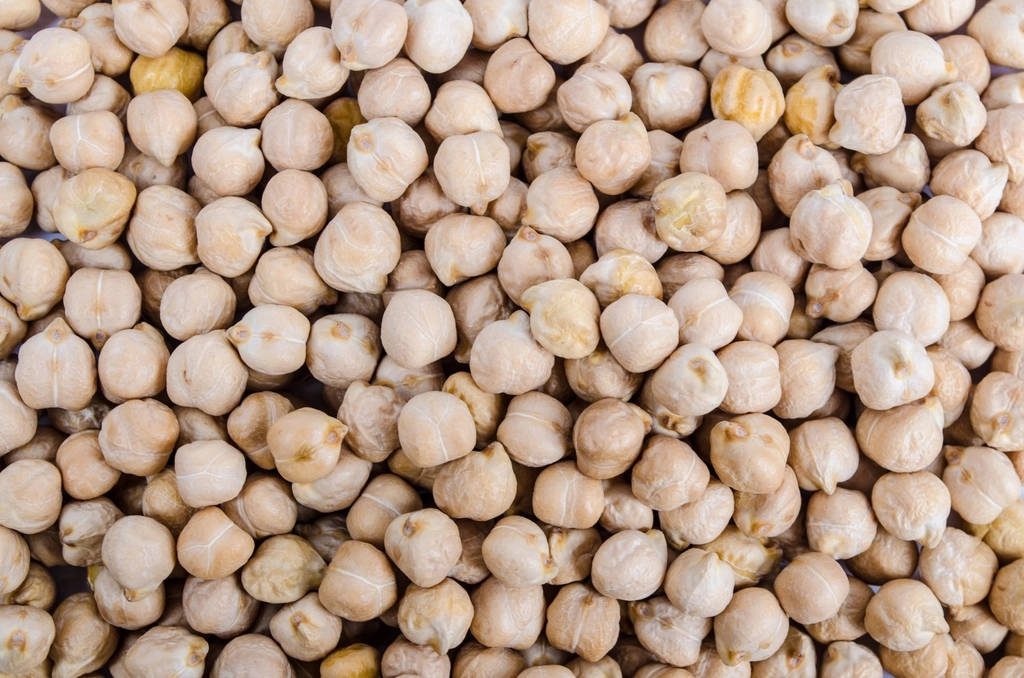


Each commodity family has different sourcing requirements, which are considered during discussions with prospective buyers.
Sourcing Regions – Agricultural Products from Major Producing Areas of India
Padmashree Exim sources agricultural products from major producing regions across India, depending on the commodity and the buyer's requirements.
Different parts of India have agricultural conditions suited to different crops. Climatic variations, soil characteristics, growing seasons and cultivation practices contribute to the diversity of agricultural products available within the country.
For agricultural importers, the origin of a product can be relevant to characteristics such as variety, appearance, size, flavour, colour and other quality parameters.
For example, certain spice varieties may be associated with particular agricultural growing conditions, while cereals and pulses may be available through multiple producing regions.

Rather than treating all agricultural products as identical, Padmashree Exim takes a product-specific approach to sourcing discussions.
The sourcing region is considered according to the product variety, buyer specifications, potential availability and commercial requirements.
Where a buyer requires a particular geographical origin, that requirement should be communicated during the initial enquiry so its sourcing feasibility can be evaluated.
Specific growing regions, farms or suppliers should be confirmed for the relevant product and order rather than assumed from a general commodity description.
Supplier and Sourcing Partner Relationships
Coordinating Agricultural Procurement Through Indian Suppliers
Supplier relationships play an important role in agricultural sourcing and export activities.
Padmashree Exim sources products through Indian suppliers and sourcing partners, focusing on the requirements communicated by buyers.
Agricultural sourcing often involves evaluating the commodity being requested, the quantity needed and the product characteristics expected by the importing business.
By working with sourcing partners, we aim to identify agricultural products relevant to these commercial requirements.
Our sourcing coordination focuses on clarity in product selection, specifications and expectations.

For example, a wholesaler purchasing grains may have different procurement priorities from a food manufacturer seeking spices for ingredient processing.
Similarly, buyers sourcing fresh agricultural produce may need to consider freshness, grading, packaging and expected transit conditions.
Padmashree Exim recognises these differences and aims to align sourcing discussions with the intended use of the product.
Our objective is to develop professional sourcing relationships that support clear communication and mutually understood commercial arrangements.
Raw Material Origin and Product Selection
Understanding the Origin of Agricultural Commodities
The agricultural products sourced by Padmashree Exim originate from India through its supplier and sourcing partner network.
Raw material origin can influence product characteristics and may be particularly important for buyers working with specific agricultural varieties or quality expectations.
When discussing sourcing requirements, buyers are encouraged to identify whether geographical origin, product variety or particular physical characteristics are important for their intended application.
Product selection is approached according to the commodity and the specifications provided by the buyer.
Relevant characteristics can include product appearance, cleanliness, size, moisture requirements, grade and packaging needs.
For fresh fruits and vegetables, maturity, condition and handling requirements may also be important.
Origin-related documentation or traceability requirements should be discussed separately and confirmed according to the product, supply arrangement and available supporting records.
Matching Agricultural Products with Buyer Specifications
A Requirements-Focused Approach to Sourcing
At Padmashree Exim, we recognise that agricultural product sourcing begins with understanding what the buyer actually needs.
International buyers often require specific product characteristics that influence their purchasing decisions.
A general request for an agricultural commodity may not provide enough information to identify a suitable product.
For example, buyers sourcing whole spices may need to define product grade, moisture, cleanliness and appearance. Buyers sourcing pulses or cereals may focus on variety, grain characteristics, broken percentage or other applicable quality parameters.
Our approach encourages buyers to share clear specifications before sourcing discussions progress.
The sourcing coordination process generally considers three main areas:
1. Product Identification and Specifications
Understanding the commodity name, variety, grade, intended use and relevant quality expectations.
2. Quantity and Packaging Requirements
Reviewing the expected order volume, preferred packing format and relevant handling considerations.
3. Commercial and Destination Requirements
Considering the delivery destination, applicable documentation, preferred trade terms and other purchasing conditions.
These requirements help establish a clearer basis for evaluating potential sourcing arrangements.
Final product specifications and commercial conditions should be mutually agreed upon before order confirmation.
Agricultural Sourcing and Quality Considerations
Quality and sourcing are closely connected in agricultural procurement.
Selecting a commodity based on the buyer's requirements is an important step, but applicable quality checks also help assess whether the sourced product aligns with agreed specifications.
Padmashree Exim's sourcing and quality coordination focuses on product requirements such as cleanliness, moisture, packaging, labelling and other relevant parameters.
The specific quality considerations depend on the agricultural product.
For instance, whole spices may require different assessments from grains, oilseeds or fresh produce.
Where laboratory testing, third-party inspection or supporting certificates are required, buyers should communicate these needs during the sourcing enquiry.
Any applicable testing scope, documentation and inspection arrangements should be agreed upon before order confirmation.
This approach supports greater clarity between buyer expectations and the product sourcing process.
Supporting Different Types of Agricultural Buyers
Padmashree Exim's agricultural sourcing services are relevant to different categories of business buyers.
International Importers can explore Indian agricultural commodities based on their target market requirements and preferred product specifications.
Wholesalers and Distributors can discuss bulk procurement requirements, commodity grades, packaging preferences and anticipated purchasing quantities.
Food Processing Businesses can communicate raw material specifications relevant to their manufacturing or ingredient requirements.
Agricultural Commodity Traders can enquire about product varieties, sourcing conditions and commercial terms for relevant agricultural products.
In each case, our focus remains on understanding the requirements and supporting practical sourcing discussions.

Why Choose Padmashree Exim for Agricultural Product Sourcing?
Choosing an agricultural sourcing partner involves evaluating product suitability, communication and the ability to discuss specific procurement requirements.
Padmashree Exim aims to build its sourcing relationships around product-focused communication and professional business practices.
Our approach emphasises an understanding of India's agricultural product diversity, sourcing through suppliers and partners, attention to buyer specifications and coordination of relevant commercial requirements.
We recognise that agricultural markets are influenced by seasonal production, product characteristics and changing supply conditions.
For this reason, availability, product origin, grade and other important details should be confirmed for each enquiry rather than assumed.
Our objective is to support informed agricultural sourcing decisions and develop long-term B2B business relationships based on mutual understanding.
Source Agricultural Products from India with Padmashree Exim
Are you looking for an Indian agricultural products supplier for your wholesale, distribution or food processing business?
Padmashree Exim welcomes enquiries for agricultural products across its seven catalogue categories, including Whole Spices, Cereals, Pulses, Oilseeds, Fresh Vegetables, Fresh Fruits, and Nuts & Dry Products.
Share your required product, variety, grade, quantity, packaging preferences and destination details to begin a sourcing discussion.
Frequently Asked Questions (FAQs)
1. Where does Padmashree Exim source its agricultural products?
Padmashree Exim sources agricultural and spice products from India through suppliers and sourcing partners. Products are sourced from major producing regions depending on the commodity and buyer requirements.
2. Does Padmashree Exim source agricultural products from specific regions in India?
The company sources from major agricultural producing regions across India based on the product and sourcing requirements. Specific state, district or regional origins should be confirmed for individual products.
3. How does Padmashree Exim select agricultural products for buyers?
Product sourcing is coordinated according to buyer specifications, including product variety, grade, quantity, relevant quality parameters, packaging and commercial requirements.
4. Can international buyers request specific agricultural product grades?
Yes. Buyers can communicate their preferred grades, physical characteristics and quality specifications during the enquiry process. The feasibility of meeting those requirements depends on sourcing conditions and product availability.
5. What agricultural product categories does Padmashree Exim cover?
Padmashree Exim's agricultural catalogue includes Whole Spices, Cereals, Pulses, Oilseeds, Fresh Vegetables, Fresh Fruits, and Nuts & Dry Products.
6. Does Padmashree Exim provide product origin or traceability information?
Buyers can request origin-related information or documentation for specific products. The availability and level of traceability must be confirmed according to the commodity and relevant sourcing records.
7. How can I submit an agricultural product sourcing enquiry to Padmashree Exim?
Buyers can submit an enquiry through the company's contact or RFQ page, specifying the agricultural product, variety, quantity, specifications, packaging requirements and destination.
